

Contents
In short
In Leipzig you can see plants from five centuries of garden history with your children, walk through a floodplain forest (Auwald), watch wild animals from Central Europe and ride through a rainforest at the zoo. You can paddle a canoe through the Auwald, ride a park railway around a lake and stroke goats in animal parks. There are also museums where children may touch, print, listen and try things out. 27 places, and for each one a gnome tells you what he likes about it. Fixed opening times and prices change often, so we only give seasonal notes. Check the place’s own website before you go.
Plants, forest and parks
Botanischer Garten der Universität Leipzig (Botanical Garden of Leipzig University) – Thymian tells the story


It all began here with medicinal herbs. Almost 500 years ago.
The garden is considered the oldest university garden in Germany. It goes back to 1542, when the young university received the Dominican monastery of St Paul (St. Pauli) with its medicinal garden. Since 1877, the garden has been at Linnéstraße 1. Today about 6,500 plant species grow there. In the warm season, the greenhouses have a butterfly show. A „Kuriositätenpfad“ (‘curiosities trail’) leads to strange plants, and there is a booklet for it, also in Easy German (Leichte Sprache). Children under 12 may only enter the garden with adults. The open-air garden is open every day and free of charge; you pay for the greenhouses and the butterflies (as stated in the 2023 programme). And for Polli: in 2022, researchers counted almost 200 wild bee species here.
Apothekergarten (Apothecaries’ Garden) and Duft- und Tastgarten (scent and touch garden) – Thymian again
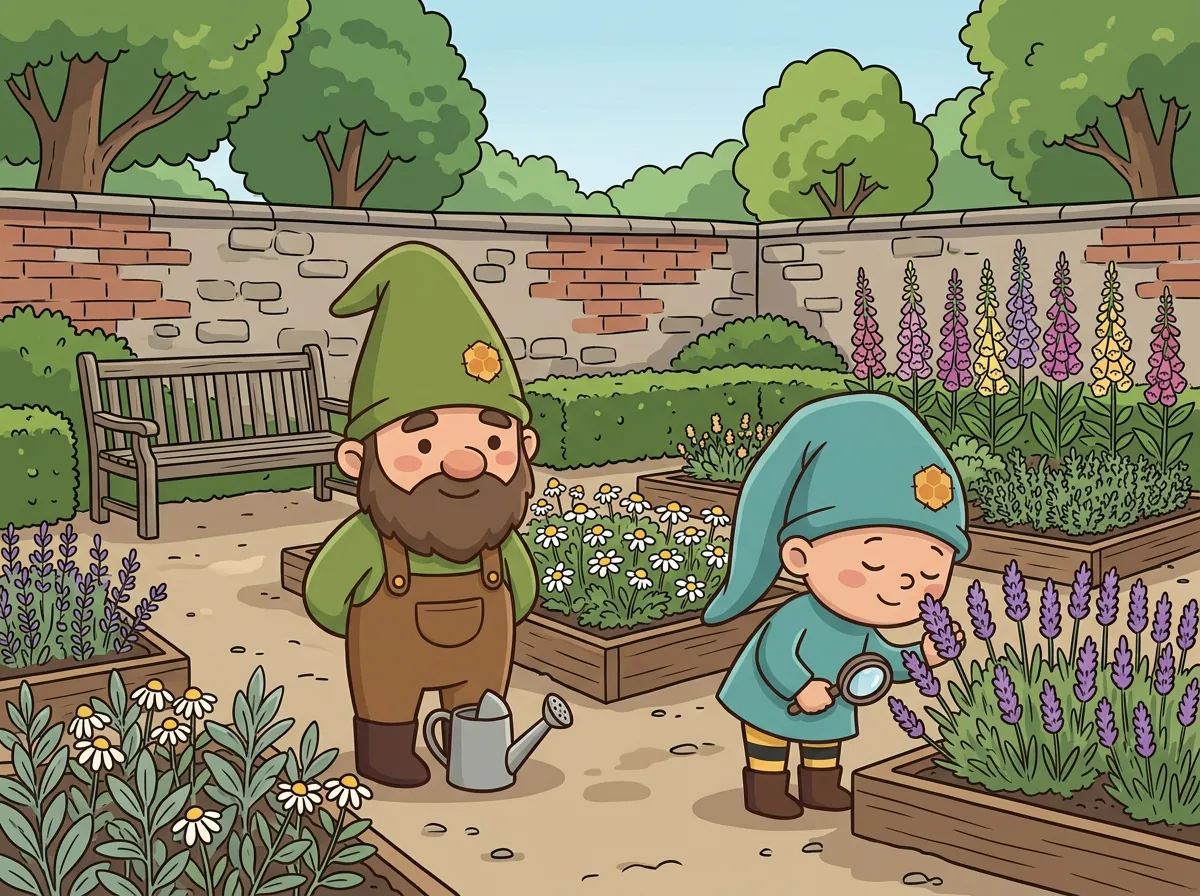
Right next door, in the Friedenspark, two gardens belong to the Botanical Garden. The Apothekergarten has medicinal plants, arranged by their active ingredients. The further back in the bed, the more poisonous plants. In the Duft- und Tastgarten you may smell and feel. The university wants all visitors to be able to use it. Both gardens are closed from November to February.
In the Apothekergarten: touch nothing, pick nothing, eat nothing. You may smell things next door, in the scent garden.
The garden itself asks the same: do not touch, pick or eat the plants, and keep an eye on the children.
Auwaldstation Leipzig (Floodplain Forest Station) – Polli tells the story
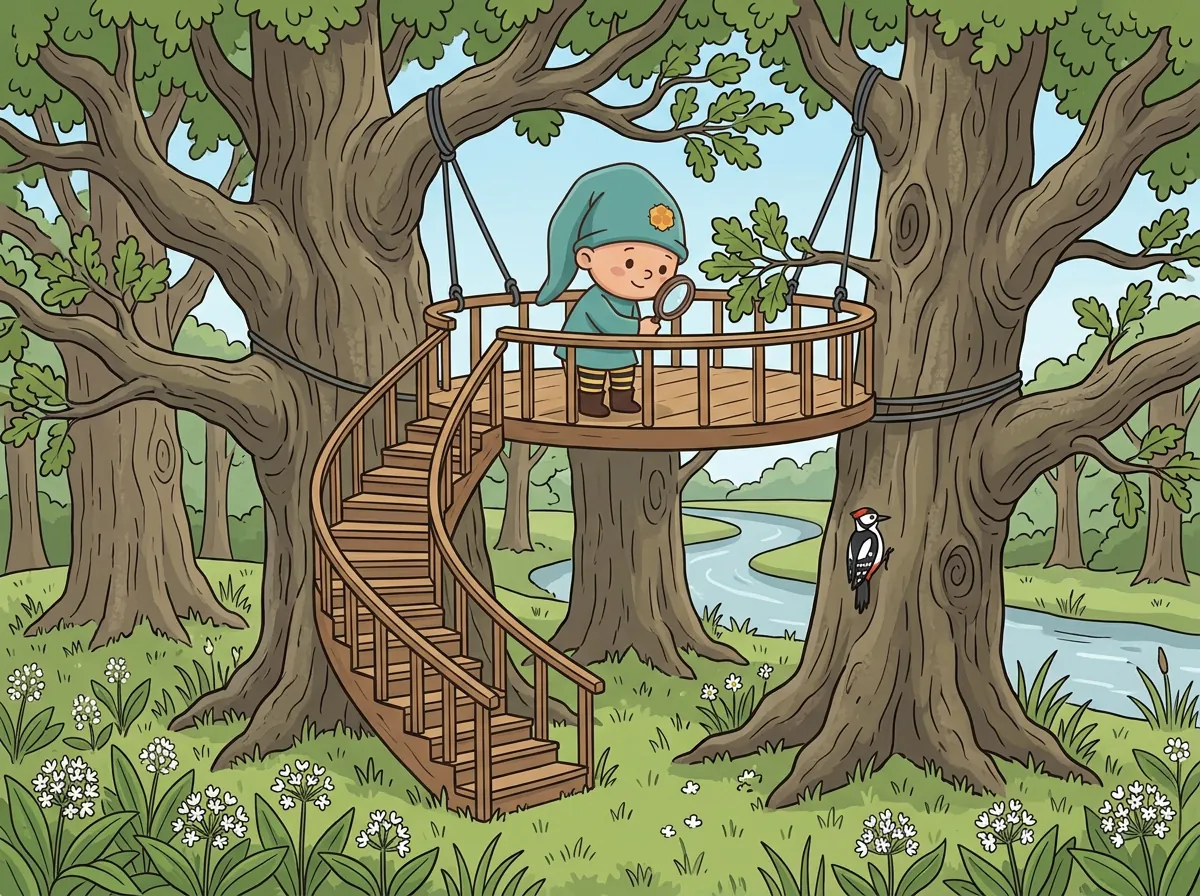

There's a tree house hanging in three oaks. I went up. Twice.
The Auwaldstation is in Lützschena on the Weiße Elster (White Elster), at the entrance to the Burgaue nature reserve and to the Schlosspark Lützschena (castle park). It shows the Leipzig Auwald to visitors of all ages. A platform hangs from straps and ropes in three pedunculate oaks, which protects the trees. An exhibition there explains what researchers find out at the Leipziger Auwaldkran (Leipzig floodplain forest crane). The floodplain exhibition in the house and the exhibitions in the yard are free; for the tree platform you pay a small entrance fee. The crane itself is for research. It is 40 metres high and stands in the Burgaue; researchers from the university and the iDiv research centre work with it in the treetops. From the house, an adventure trail leads 2.45 kilometres through the castle park, with an app and 17 stations. Tram line 11 takes you to Lützschena.
Wildpark Leipzig (Leipzig Wildlife Park) – Meister Zeidler tells the story
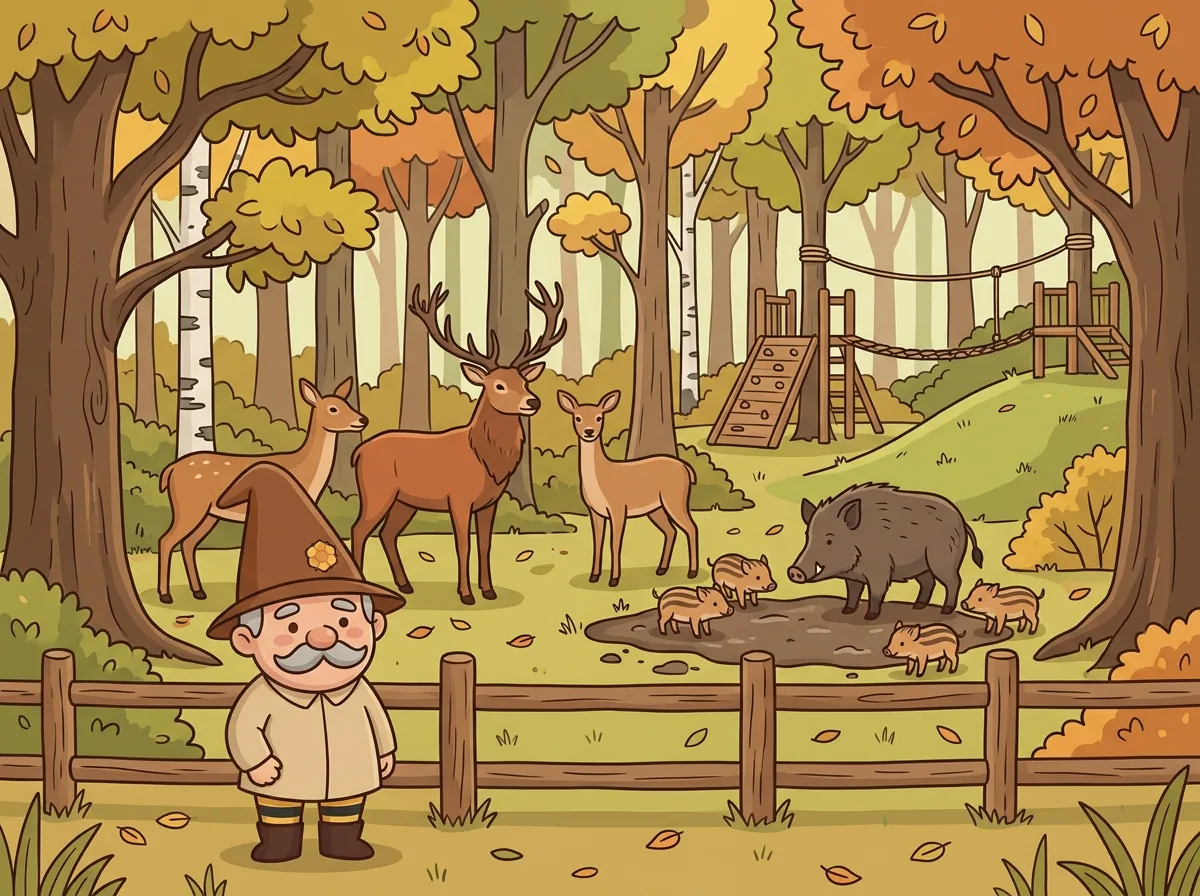

Forest. Animals. Peace. Good.
The Wildpark is in the southern Auwald in Connewitz. About 25 animal species from Central Europe live here, up to 250 animals. The park also helps to preserve endangered native species. Entry is free. The forest playground in the park is one of the most popular in Leipzig: seven hills for climbing and sliding, a zip line and a corner for little ones.
Rosental: Wackelturm and Zoo-Schaufenster – Lipsi hums
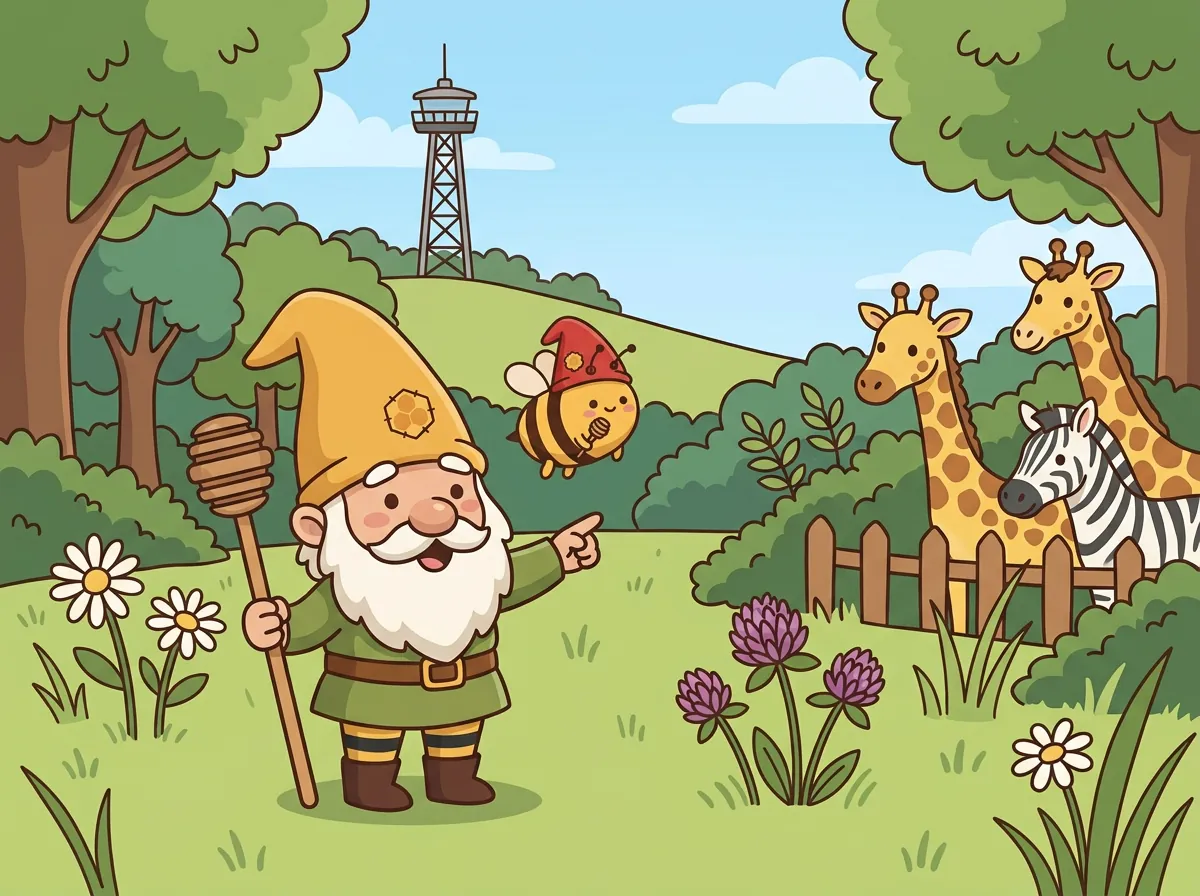
The Rosental is a park in the Auwald right next to the zoo. The lookout tower is 20 metres high. People in Leipzig call it the „Wackelturm“ (‘wobbly tower’). From the path you can look through the „Zoo-Schaufenster“ (‘zoo showcase’) into the zoo’s savannah. With a bit of luck, you will see giraffes, zebras or antelopes. This is free.

hums twice and points at a giraffe.
Botanischer Garten Oberholz (Oberholz Botanical Garden) – Linda tells the story


This is my spice rack. Just much bigger.
South-east of Leipzig, at Störmthaler Weg 2 in Großpösna, there is a garden of medicinal and culinary herbs with more than 400 plants. It was created in 1936 as a teaching garden. Entry is free. From October it only opens for events, so plan it for spring and summer. To get there, take bus 690 to Pflaumenallee and walk about one kilometre, or take the train to Oberholz and walk about 600 metres.
agra-Park and the playground „Das KinderReich“ (‘The Children’s Realm’) – Thymian tells the story
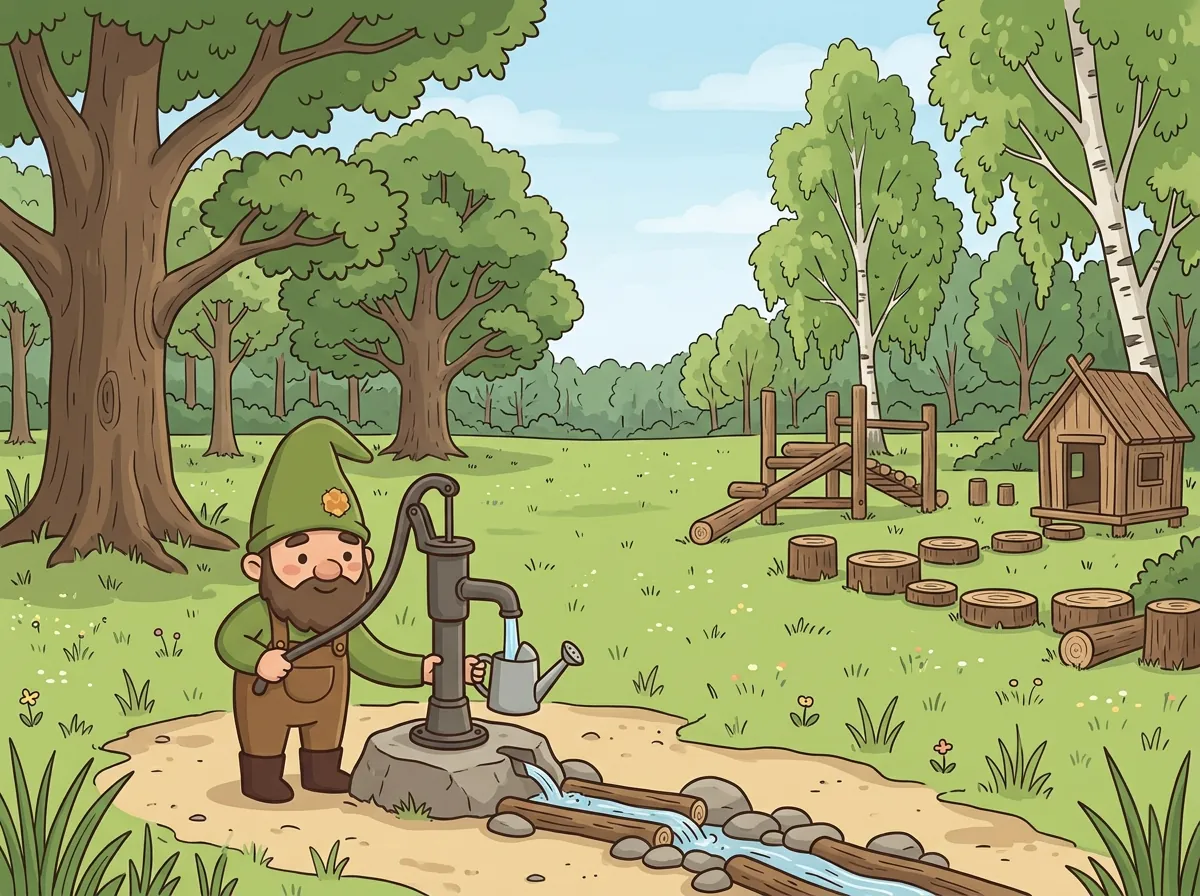
Old trees, a bit of Auwald – and a water pump for my watering can.
The agra-Park is about 50 hectares and lies partly in Markkleeberg and partly in Leipzig. It goes back to the old Herfurth park (Herfurthscher Park); rare plants still add accents there today. The park is open to everyone all year round. On the Leipzig side, at Im Dölitzer Holz, is the playground „Das KinderReich“ with climbing logs, a balance course, a wooden house and a water pump. Tram line 11 takes you to Leinestraße.
Familienerlebnisgarten (Family Adventure Garden) am Kregelhof – Malve tells the story
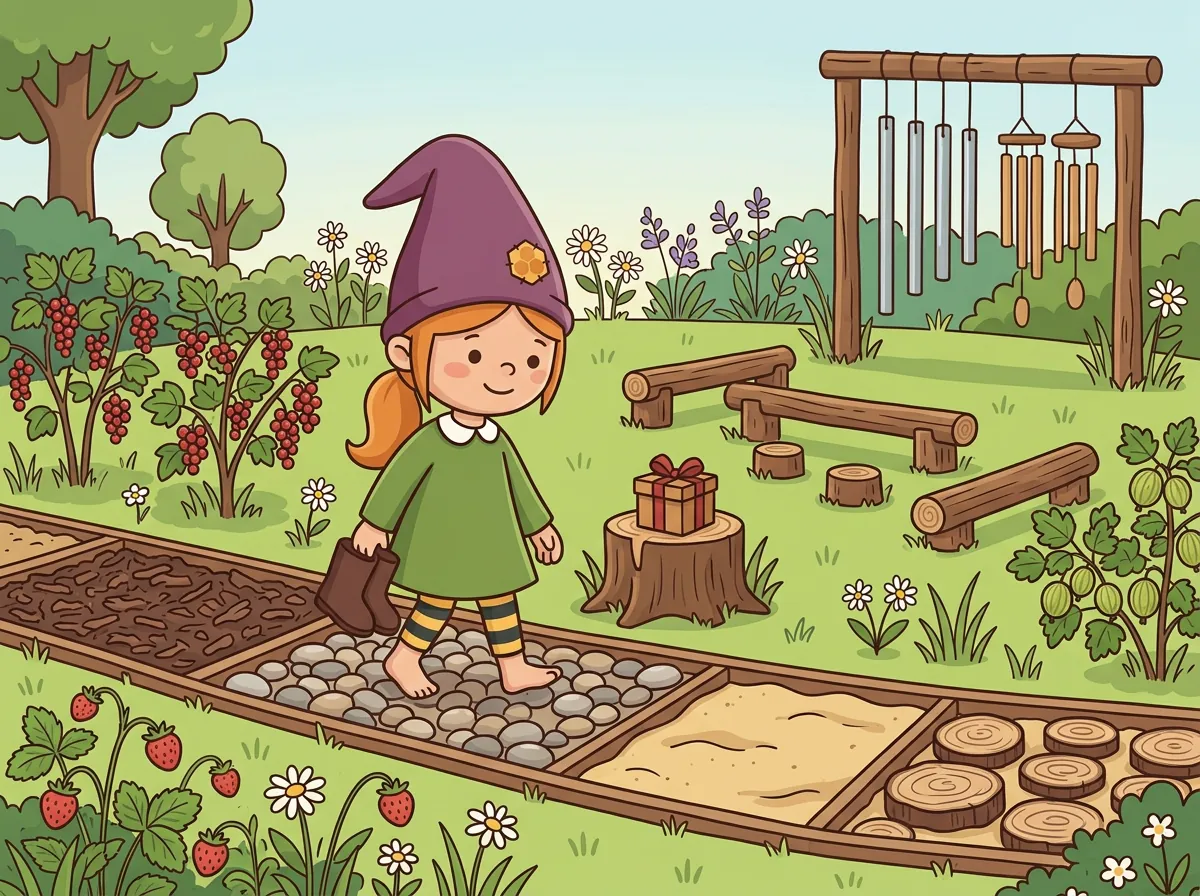

Shoes off! Underfoot, every square is a surprise.
The Familienerlebnisgarten at Kregelstraße 6 is a community garden for all generations, about 1,000 square metres in size. It has a Nasch- und Kriechobstwiese (a meadow of snacking and creeping fruit), a barefoot path, a play and movement path, and sound installations designed with people with disabilities in mind. The garden is recommended for children aged 2 to 10. Entry is free. We did not find opening times.
Clara-Zetkin-Park – Wabo tells the story
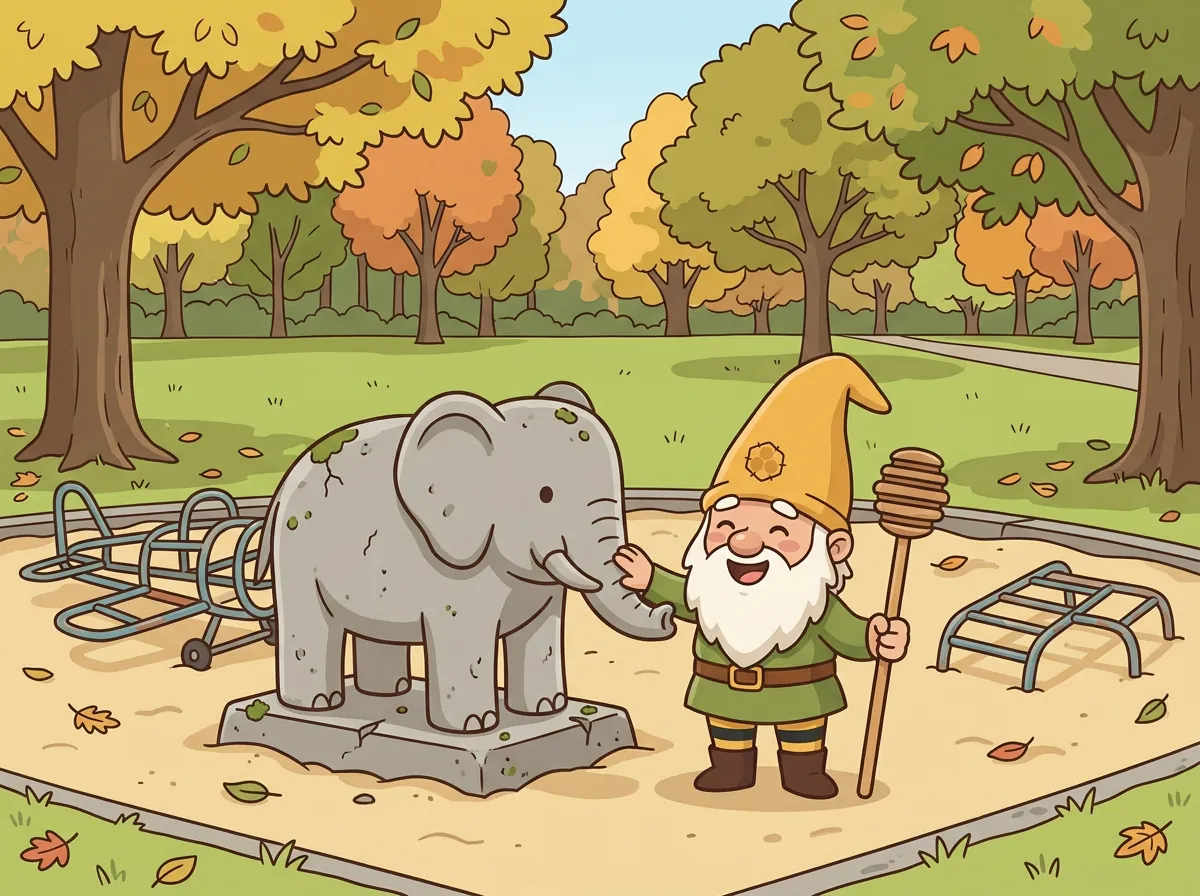

An elephant in the middle of Leipzig. Made of concrete, but still.
The Clara-Zetkin-Park is Leipzig’s largest park. It brings together four old parks: Johannapark, Palmengarten, Volkspark Scheibenholz and Albertpark. On the playground in the Palmengarten there is a historic concrete elephant for the little ones and a historic steel-tube aeroplane for the bigger ones. The large playground in the Scheibenholz is one of the most popular in Leipzig. Entry is free. To get to the Palmengarten, take lines 3, 7, 8 or 15 to Angerbrücke.
Animals
Zoo Leipzig and Gondwanaland – Wabo tells the story
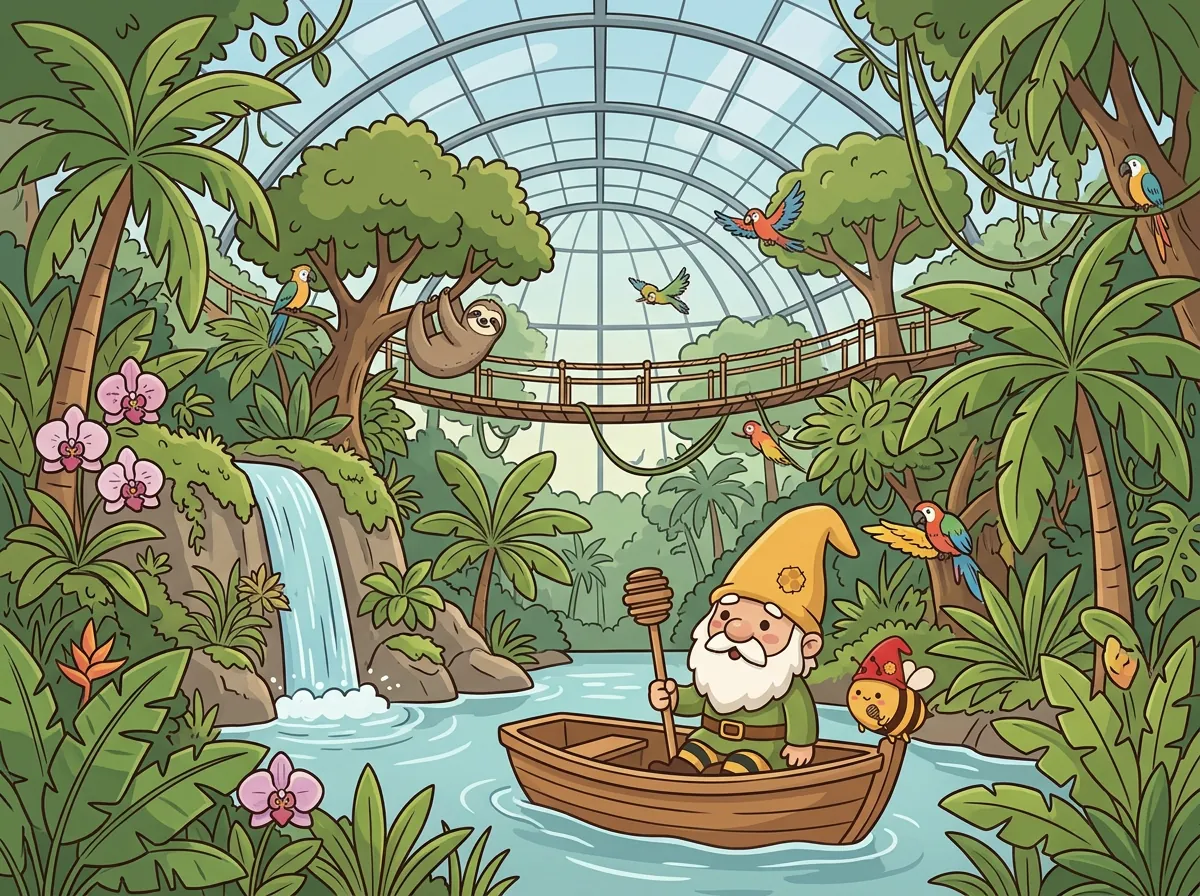
Outside it's November. Inside it's rainforest.
The zoo is at the edge of the Rosental, at Pfaffendorfer Straße 29. Its tropical hall Gondwanaland covers 16,500 m² and opened on 1 July 2011. According to the zoo in 2021, about 170 animal species lived there among more than 24,000 tropical plants. A treetop walkway leads 90 metres through the tree canopy. A boat takes you for eleven minutes along the 360-metre jungle river „Gamanil“. Entry to Gondwanaland is included in the zoo ticket. Good for rainy days and for winter. The zoo also has a bee garden; we tell you about it at Bees in and around Leipzig.
Dölitzer Wassermühle (Dölitz Water Mill) – Linda tells the story
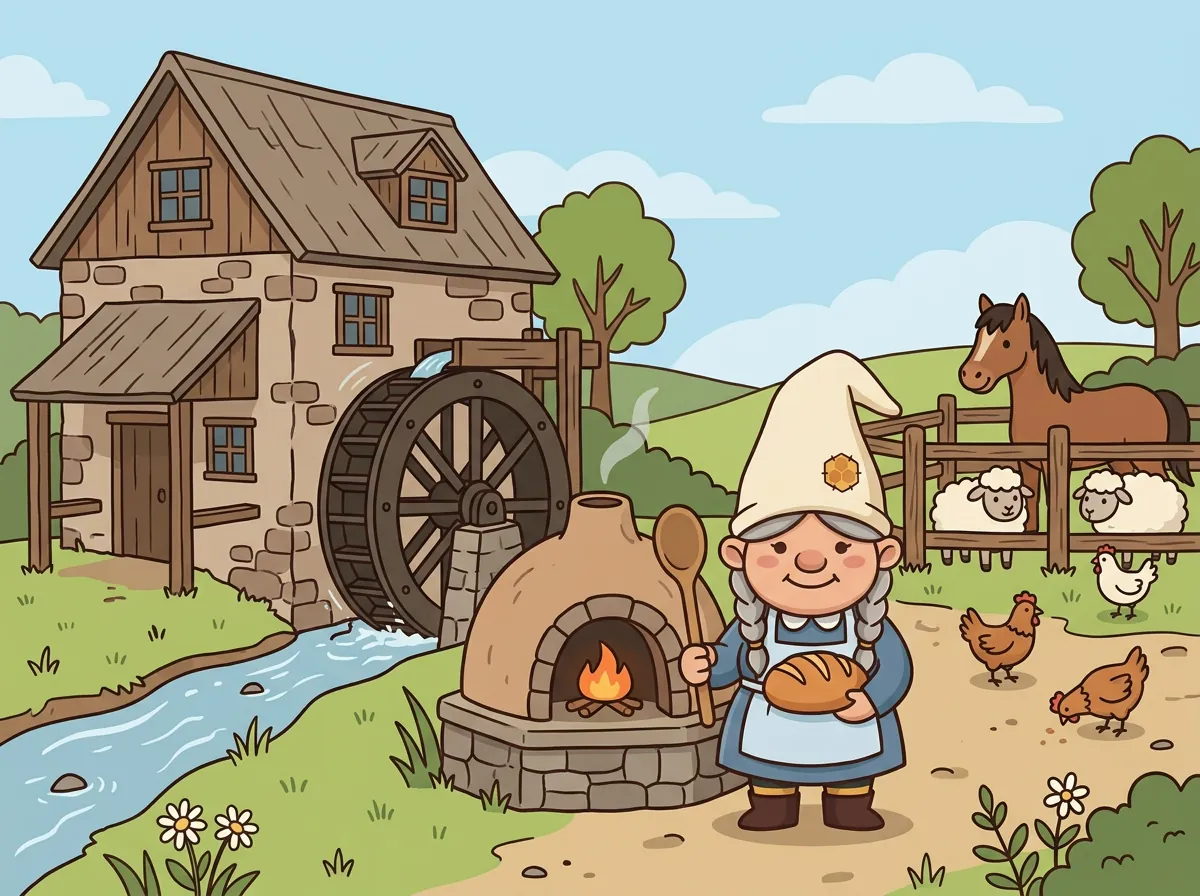
A clay oven! I'm joining in the baking straight away.
The Dölitzer Wassermühle is the last surviving water mill in Leipzig. The mill building and the Obermüllerhaus (upper miller’s house) have been preserved true to the original since 1814. Sheep, hens and horses live in the yard, and at children’s events people bake in the clay oven (Lehmbackofen). The activities for children are meant for ages 5 and up. Entry is free. From the Friederikenstraße stop (line 11) it is about a five-minute walk. The agra-Park is right next door.
Tiergarten Delitzsch (Delitzsch Zoo) – Lipsi hums

The Tiergarten is in the Loberaue on the edge of Delitzsch, on four hectares. According to Leipzig Tourismus, about 400 animals of about 100 species live there. There is a large petting zoo, walk-in aviaries and play stations throughout the garden. It is open 365 days a year.
hums into a goat's ear. The goat does not hum back.
Tierpark Eilenburg (Eilenburg Animal Park) – Meister Zeidler tells the story

Crane. Fallow deer. Wet meadow. Good.
The Tierpark is in the middle of Eilenburg’s town park, on four hectares. 300 animals of 50 species live there. A nature trail leads through wetland and woodland, where cranes and fallow deer live. Since November 2019 there has been a tropical house, „Tropicana“, which is good for rainy days. The Tierpark is open all year round. Take the S4 or the RE11 to Eilenburg.
Water, rail and lake
By boat into the Auwald – Wabo tells the story

The Auwald from the water. Even Lipsi goes quiet.
About 180 kilometres of rivers, streams and ditches run through Leipzig. From the Stadthafen (city harbour) at Schreberstraße 20, motorboats leave, for example the „Kleine Auwald Tour“ (‘Little Floodplain Forest Tour’), and you can hire boats and canoes. Hire boats and round trips run from the end of March to the beginning of November, depending on the weather. Stop: Westplatz.
Parkeisenbahn Auensee (Auensee Park Railway) – Tischler Hobel tells the story
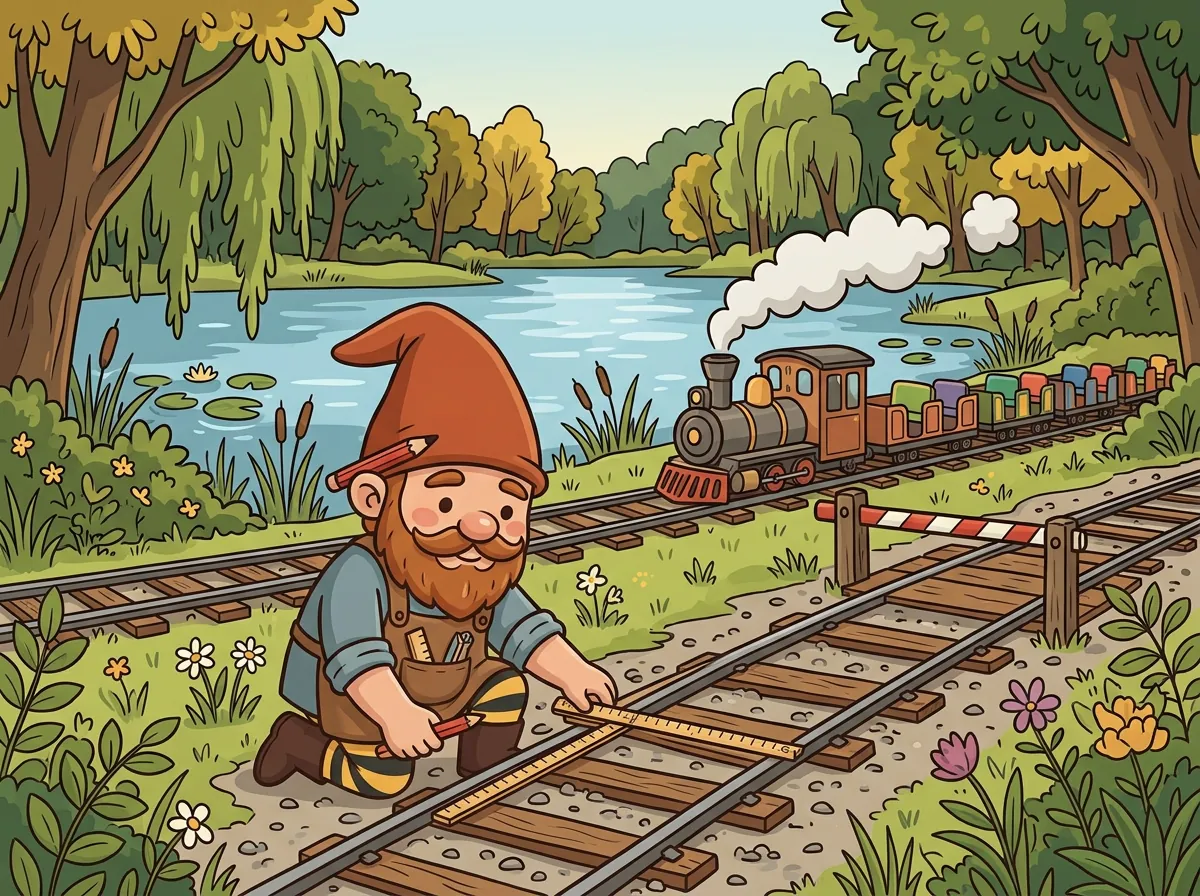

Seven points, 624 sleepers. Building work in winter. Just right.
The park railway has been running around the Auensee since 1951, on a two-kilometre track through the Auwald. Children and teenagers take on most of the jobs, from conductor to dispatcher. It is currently in its winter break: no trains run until Easter 2027. Bus 80 takes you to Auensee, and lines 10 and 11 take you to Wahren.
Cospudener See (Lake Cospuden) – Tischler Hobel again

35 metres. Measured with my thumb.
Lake Cospuden used to be an open-cast lignite mine. Today it covers 439 hectares, and next to it grows the reforested „Neue Harth“ (‘New Harth’). The lookout tower on the Bistumshöhe is 35 metres high, and entry is free. Bus 65 goes to the Nordstrand (north beach), and in season the 79 does too.
Hands-on indoors
Kindermuseum (Children’s Museum) „Kinder machen Messe“ (‘Kids Make a Trade Fair’) – Malve tells the story

Smell the goods, weigh them, dress up. A bit like wrapping presents.
In the Haus Böttchergäßchen, the Stadtgeschichtliches Museum (City History Museum) shows why Leipzig is a trade-fair city. The exhibition is made for children aged 6 to 10. You may smell, feel and weigh goods from faraway places, try on costumes and listen to stories. Since the beginning of 2024, entry to the permanent exhibitions of the city’s museums has been free, so it is free here too.
UNIKATUM – Polli tells the story
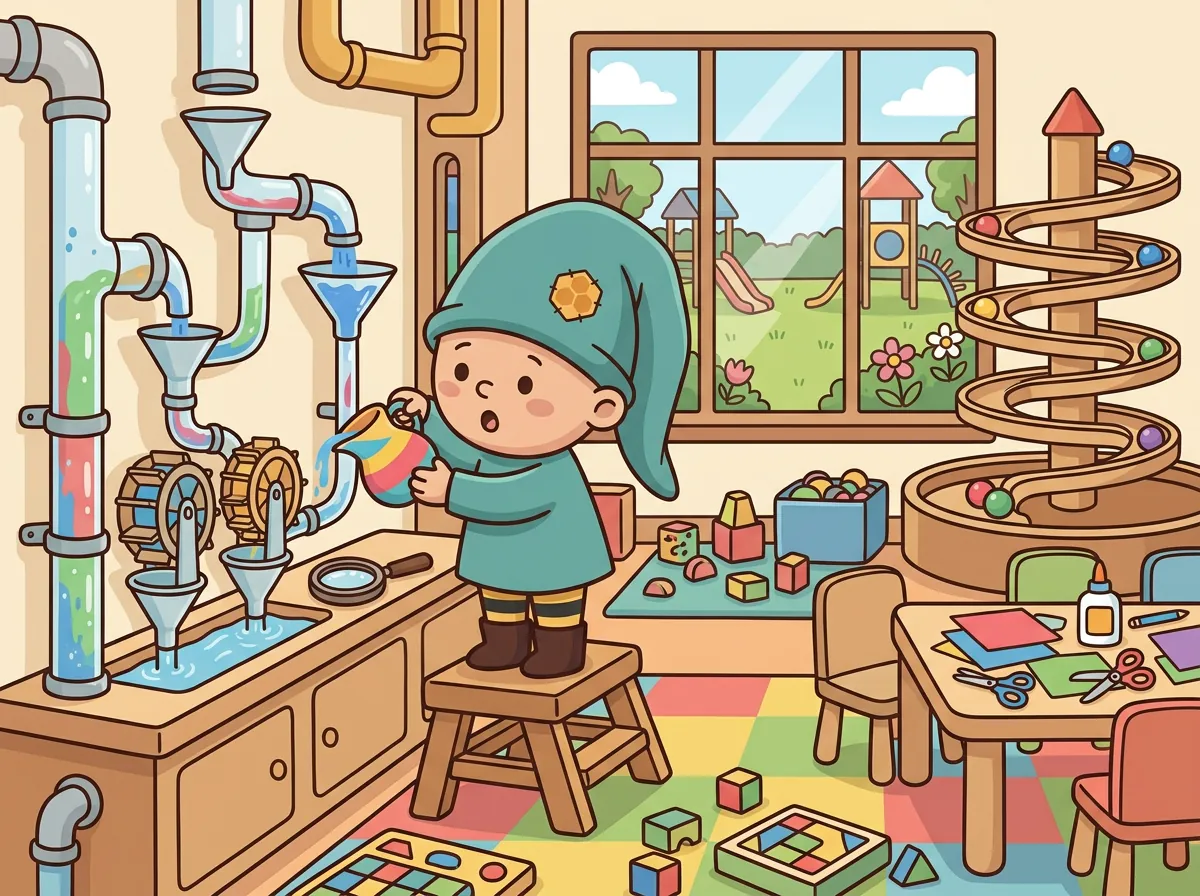
You can try out everything here. Everything!
The UNIKATUM in Plagwitz, Zschochersche Straße 26, is a museum for children and young people. In the exhibitions, stations, games, crafts and experiments invite you to join in, and outside there is a museum garden with stations. It suits any weather. Children up to 2 years old pay no entry. Stop: Felsenkeller.
Museum für Druckkunst (Museum of the Art of Printing) – Nestor tells the story


I printed my name. The second time, the right way round.
The Museum für Druckkunst, Nonnenstraße 38, is a workshop museum: specialists explain the printing machines and demonstrate them. In the workshop, children from primary-school age set their name in lead letters and print it. For pre-school children there is a separate guided tour with a workshop: „Wie kommen die Buchstaben ins Buch?“ (‘How do the letters get into the book?’). Several times a year there is a family workshop on Sundays. From 21 Dec 2026 to 3 Jan 2027 the museum has a Christmas break.
Kinderbibliothek (Children’s Library) – Nestor again
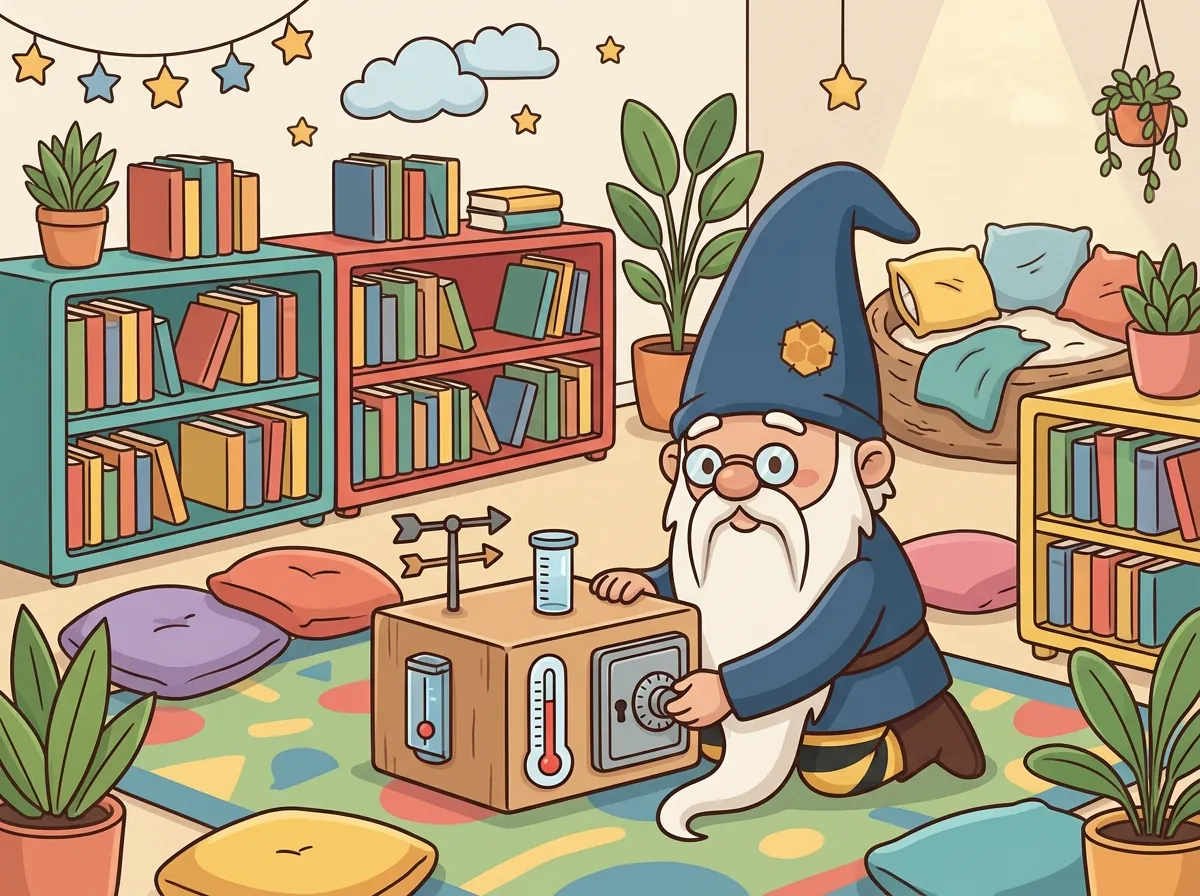
My favourite library. After my own.
In the Leipziger Stadtbibliothek (Leipzig City Library) at Wilhelm-Leuschner-Platz there is a children’s library with learning and play activities. One special item is the „Wetterbox“ (‘weather box’): if you solve the weather’s riddles, you get the code for a safe.
Bach-Museum – Lipsi hums
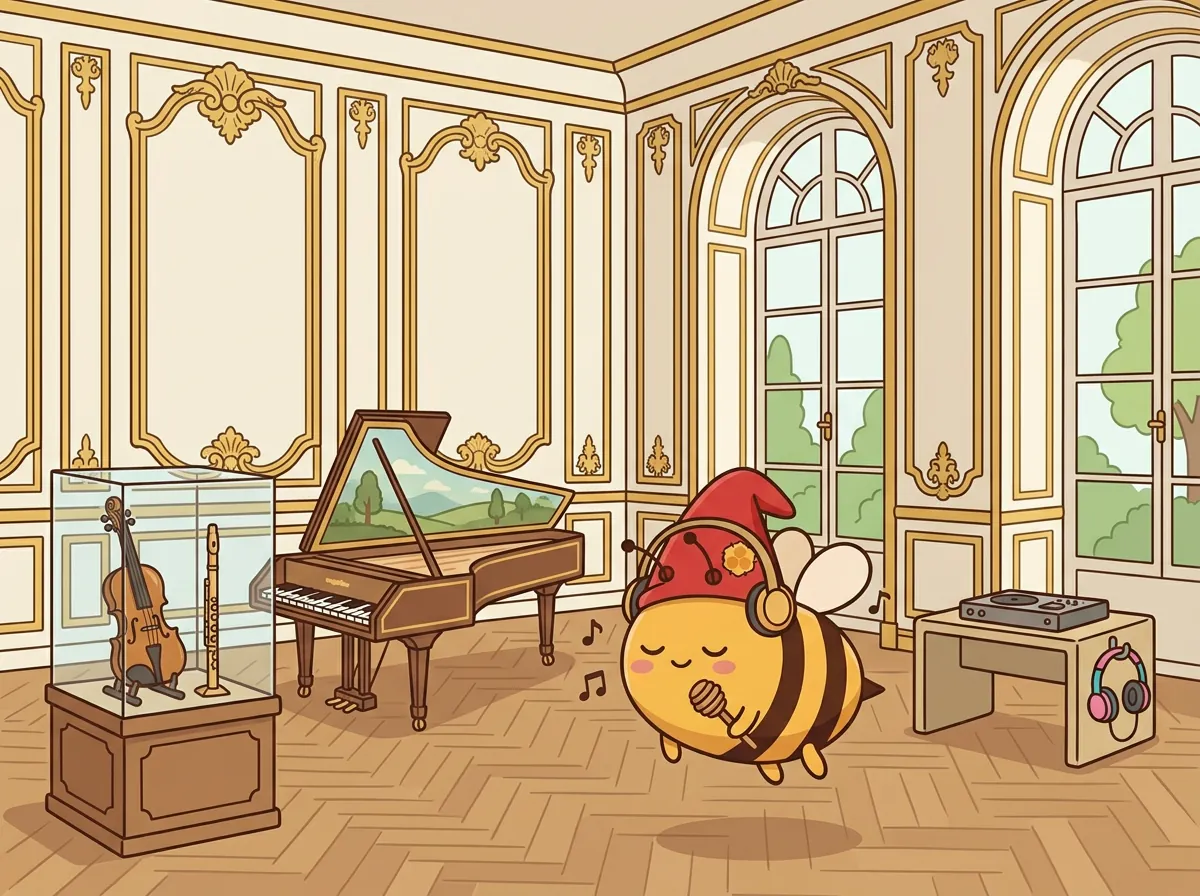
At the Bach-Museum on the Thomaskirchhof, the motto is: touch, listen, marvel. There are workshops, music to join in with and tours where you can try things out, for every age. Entry is free up to the age of 18.
hums a melody. It might be Bach.
Schumann-Haus: the Klangraum (sound room) – Malve tells the story
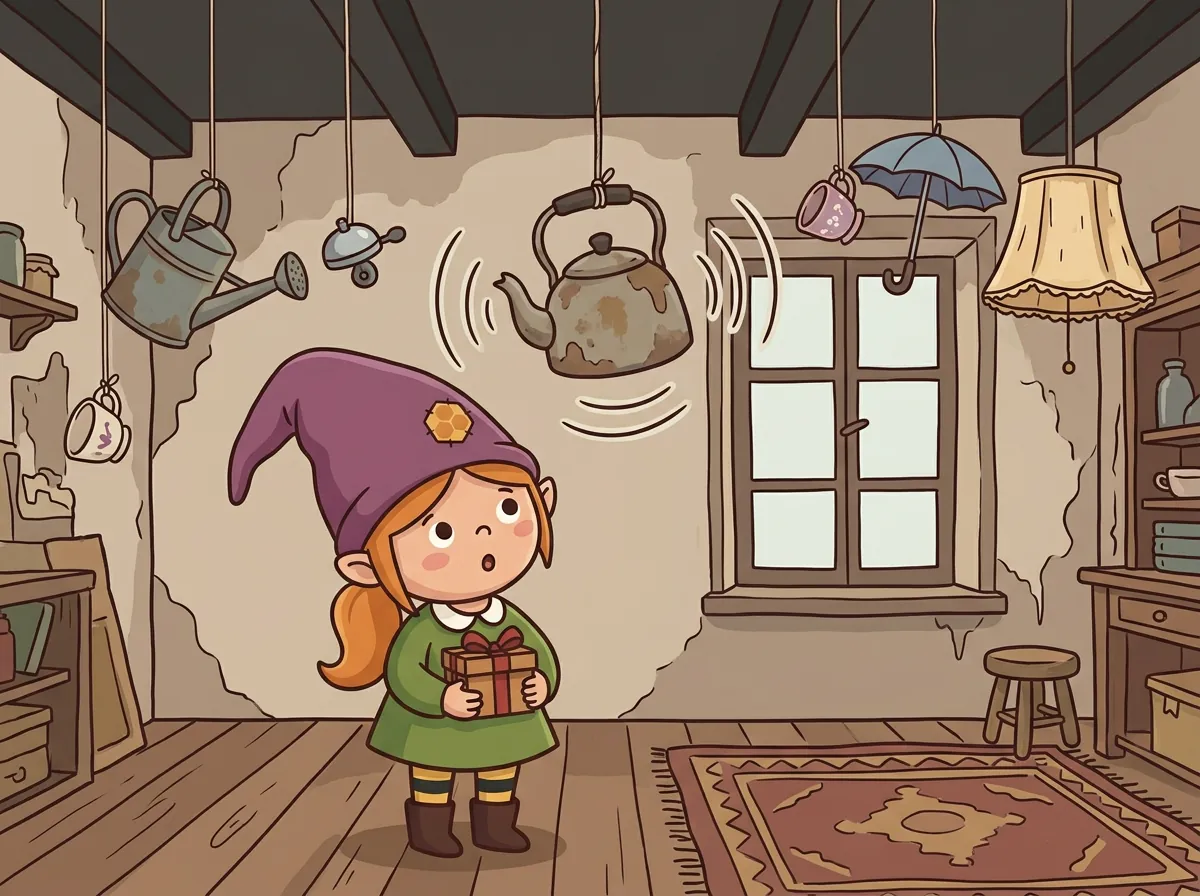
I stand underneath – and the kettle sings. The best surprise of the day!
In the Schumann-Haus, Inselstraße 18, the artist Erwin Stache has built a Klangraum: every object plays tones, noises or music when you stand under it. The Klangraum is open at weekends and every day in the Saxon school holidays. For children there is a free museum trail (Museums-Rallye), and children up to 6 years old pay no entry.
INSPIRATA – Polli waits once more

In spring I'm allowed back in. I've marked it in my calendar.
The INSPIRATA at Deutscher Platz 4 is a hands-on exhibition about mathematics and science. It is currently being converted: it will only reopen for families in spring 2027.
Naturkundemuseum (Natural History Museum) – Polli waits
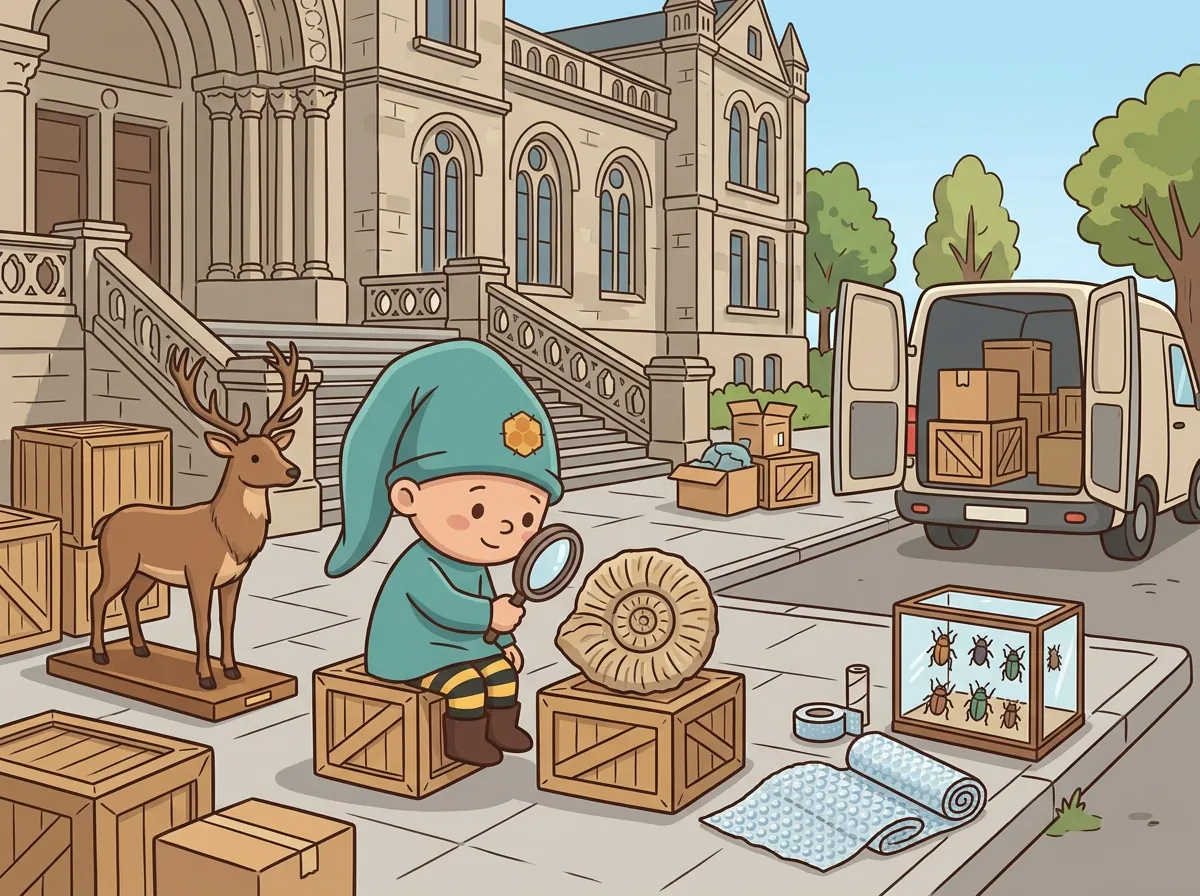
The museum is moving. I ask every month whether it's ready yet.
The Naturkundemuseum is moving from Lortzingstraße to Wilhelm-Leuschner-Platz. Until then it is showing the exhibition series „Das Haus mit der Spinne“ (‘The House with the Spider’) about its collections; part 3 ran until 25 October 2026. We did not find a date for the new building.
Understanding Leipzig
Völkerschlachtdenkmal (Monument to the Battle of the Nations) – Nestor tells the story

364 steps. I counted them. Going down, they were the same ones.
The monument commemorates the Battle of Leipzig (Völkerschlacht) on 16–19 October 1813. It was inaugurated on 18 October 1913. 364 steps lead up to the viewing platform at a height of 91 metres. According to Leipzig Tourismus, even children from the age of three manage it. There are regular events just for children.
Deutsches Kleingärtnermuseum (German Allotment Museum) – Tischler Hobel tells the story

Sheds. Fences. All measured. Just right.
The museum is in the clubhouse of the first Schreberverein (allotment association), Aachener Straße 7. Since 1996 it has shown the history of allotment gardens, with a permanent exhibition and three show gardens. You can read more about gardens and bees in Leipzig at Allotments in Leipzig (in German).
Panometer: „Antarktis“ (Antarctica) – Wabo marvels once more

In an old gasometer, the artist Yadegar Asisi has been showing huge panoramas since 2003. Since 24 January 2026 it has been „Antarktis“, his tenth panorama in Leipzig. The panorama is 32 metres high. An exhibition next to it explains the rock, climate and research history of Antarctica. Richard-Lehmann-Straße 114. How long the panorama will be on show is not in our sources.
At a glance
| No. | Place | Told by | Topic | On rainy days | Free entry |
|---|---|---|---|---|---|
| 1 | Botanischer Garten | Thymian | plants | greenhouses (Mar–Oct) | open-air part yes, greenhouses no |
| 2 | Apothekergarten, Duft- und Tastgarten | Thymian | medicinal plants, smelling, feeling (Mar–Oct) | no | not found |
| 3 | Auwaldstation | Polli | floodplain forest, treetops | exhibition in the house | exhibitions yes, platform no |
| 4 | Wildpark | Meister Zeidler | native animals | no | yes |
| 5 | Rosental | Lipsi | park, tower, view into the zoo | no | yes |
| 6 | Botanischer Garten Oberholz | Linda | medicinal and culinary herbs | no | yes (from October events only) |
| 7 | agra-Park, KinderReich | Thymian | park, floodplain forest, playground | no | yes |
| 8 | Familienerlebnisgarten Kregelhof | Malve | fruit meadow, barefoot path (ages 2–10) | no | yes |
| 9 | Clara-Zetkin-Park | Wabo | park, playgrounds | no | yes |
| 10 | Zoo, Gondwanaland | Wabo | animals, rainforest | yes | no |
| 11 | Dölitzer Wassermühle | Linda | mill, farm animals (activities from age 5) | not stated | yes |
| 12 | Tiergarten Delitzsch | Lipsi | petting zoo, aviaries | no | no |
| 13 | Tierpark Eilenburg | Meister Zeidler | nature trail, tropical house | tropical house | no |
| 14 | Boat from the Stadthafen | Wabo | floodplain forest from the water (Mar–Nov) | no | no |
| 15 | Parkeisenbahn Auensee | Tischler Hobel | railway through the floodplain forest (from Easter 2027) | no | no |
| 16 | Cospudener See | Tischler Hobel | lake, lookout tower | no | tower yes |
| 17 | Kindermuseum | Malve | trade fair, trade | yes | yes |
| 18 | UNIKATUM | Polli | hands-on museum, museum garden | yes | up to 2 years |
| 19 | Museum für Druckkunst | Nestor | typesetting and printing | yes | no |
| 20 | Kinderbibliothek | Nestor | books, weather box | yes | not found |
| 21 | Bach-Museum | Lipsi | music to join in with | yes | up to 18 years |
| 22 | Schumann-Haus, Klangraum | Malve | sounds, museum trail | yes | up to 6 years |
| 23 | INSPIRATA | Polli | mathematics, science (from spring 2027) | yes | not found |
| 24 | Naturkundemuseum | Polli | collections (moving) | yes | not found |
| 25 | Völkerschlachtdenkmal | Nestor | history, view | yes | no |
| 26 | Kleingärtnermuseum | Tischler Hobel | gardens, sheds | exhibition | not found |
| 27 | Panometer | Wabo | Antarctica | yes | no |
No place matches all the filters you chose.
© OpenStreetMap contributors (ODbL) · data from 20 Nov 2026.
Plants, forest and parks
- 1. Botanischer Garten – Thymian
- 2. Apothekergarten, Duft- und Tastgarten – Thymian
- 3. Auwaldstation – Polli
- 4. Wildpark – Meister Zeidler
- 5. Rosental: lookout tower, Zoo-Schaufenster – Lipsi
- 6. Botanischer Garten Oberholz (Großpösna) – Linda
- 7. agra-Park, playground „Das KinderReich“ – Thymian
- 8. Familienerlebnisgarten Kregelhof – Malve
- 9. Clara-Zetkin-Park – Wabo
Animals
- 10. Zoo Leipzig, Gondwanaland – Wabo
- 11. Dölitzer Wassermühle – Linda
- 12. Tiergarten Delitzsch (Delitzsch) – Lipsi
- 13. Tierpark Eilenburg (Eilenburg) – Meister Zeidler
Water, rail and lake
- 14. Boat from the Stadthafen – Wabo
- 15. Parkeisenbahn Auensee – Tischler Hobel
- 16. Cospudener See (Markkleeberg) – Tischler Hobel
Hands-on indoors
- 17. Kindermuseum – Malve
- 18. UNIKATUM – Polli
- 19. Museum für Druckkunst – Nestor
- 20. Kinderbibliothek – Nestor
- 21. Bach-Museum – Lipsi
- 22. Schumann-Haus, Klangraum – Malve
- 23. INSPIRATA – Polli
- 24. Naturkundemuseum – Polli
Understanding Leipzig
- 25. Völkerschlachtdenkmal – Nestor
- 26. Kleingärtnermuseum – Tischler Hobel
- 27. Panometer – Wabo
Map data and sources
| Place | Source |
|---|---|
| 1. Botanischer Garten | Point as on the single map lmk-01-botanischer-garten-en |
| 2. Apothekergarten, Duft- und Tastgarten | Point as on the single map lmk-02-apothekergarten-en |
| 3. Auwaldstation | Point as on the single map lmk-03-auwaldstation-en |
| 4. Wildpark | Point as on the single map lmk-04-wildpark-en |
| 5. Rosental: lookout tower, Zoo-Schaufenster | Point as on the single map lmk-05-rosental-en |
| 6. Botanischer Garten Oberholz | Point as on the single map lmk-06-oberholz-en |
| 7. agra-Park, playground „Das KinderReich“ | Point as on the single map lmk-14-agra-park-en |
| 8. Familienerlebnisgarten Kregelhof | Point as on the single map lmk-15-kregelhof-en |
| 9. Clara-Zetkin-Park | Point as on the single map lmk-21-clara-zetkin-park-en |
| 10. Zoo Leipzig, Gondwanaland | Point as on the single map lmk-07-gondwanaland-en |
| 11. Dölitzer Wassermühle | Point as on the single map lmk-13-wassermuehle-en |
| 12. Tiergarten Delitzsch | Point as on the single map lmk-16-tiergarten-delitzsch-en |
| 13. Tierpark Eilenburg | Point as on the single map lmk-17-tierpark-eilenburg-en |
| 14. Boat from the Stadthafen | Point as on the single map lmk-19-boot-auwald-en |
| 15. Parkeisenbahn Auensee | Point as on the single map lmk-18-parkeisenbahn-en |
| 16. Cospudener See | Point as on the single map lmk-20-cospudener-see-en |
| 17. Kindermuseum | Point as on the single map lmk-08-kindermuseum-en |
| 18. UNIKATUM | Point as on the single map lmk-22-unikatum-en |
| 19. Museum für Druckkunst | Point as on the single map lmk-23-druckkunst-en |
| 20. Kinderbibliothek | Point as on the single map lmk-25-kinderbibliothek-en |
| 21. Bach-Museum | Point as on the single map lmk-26-bach-museum-en |
| 22. Schumann-Haus, Klangraum | Point as on the single map lmk-27-schumann-klangraum-en |
| 23. INSPIRATA | Point as on the single map lmk-24-inspirata-en |
| 24. Naturkundemuseum | Point as on the single map lmk-12-naturkundemuseum-en |
| 25. Völkerschlachtdenkmal | Point as on the single map lmk-09-voelkerschlachtdenkmal-en |
| 26. Kleingärtnermuseum | Point as on the single map lmk-10-kleingaertnermuseum-en |
| 27. Panometer | Point as on the single map lmk-11-panometer-en |
| City boundary, water, main roads | OSM relation/62649; Overpass export 15 Nov 2026 (data/osm/leipzig.json), edge: tools/karten/daten/leipzig-rand.json |
| Boundaries Markkleeberg, Großpösna | OSM relation/93399 · OSM relation/283733 |
Through the year
Some places sleep in winter. Others are always awake.
All year round: agra-Park (open to everyone), Tiergarten Delitzsch and Tierpark Eilenburg (365 days a year), the open-air part of the Botanical Garden (every day). For the other places we did not find a winter break, but still check their website before you go.
From March: In the Botanical Garden, the greenhouses with the butterflies open, along with the Apothekergarten and the Duft- und Tastgarten, until October.
From the end of March: Hire boats and round trips from the Stadthafen into the Auwald, until the beginning of November, depending on the weather.
From Easter: The park railway at the Auensee runs again (in 2027 from Easter).
In spring 2027: The INSPIRATA reopens to families after the conversion.
Spring and summer: Botanischer Garten Oberholz. From October it only opens for events.
At weekends and in school holidays: the Klangraum in the Schumann-Haus (at weekends, and every day in the Saxon school holidays).
From November to February: The greenhouses, butterflies, Apothekergarten and scent garden are closed. The open-air part of the Botanical Garden stays open.
Over Christmas: The Museum für Druckkunst takes a break, in 2026/27 from 21 Dec to 3 Jan.
On rainy days: Gondwanaland, the Kindermuseum, UNIKATUM, the Museum für Druckkunst, the Kinderbibliothek, the Bach-Museum, the Klangraum, the Panometer, the tropical house in Eilenburg and the exhibitions of the Auwaldstation.
What is on right now (Museumsnacht (‘Museum Night’), Lange Nacht der Wissenschaften (‘Long Night of the Sciences’), open days) is listed at Events about bees and honey (in German).
Trips to put together
- Animals and views: Zoo with Gondwanaland, then to the Rosental for the Zoo-Schaufenster and up the Wackelturm.
- Plant day: Botanical Garden, then next door the Apothekergarten and the Duft- und Tastgarten (March to October).
- Auwald day: Auwaldstation with the tree platform, then the adventure trail through the Schlosspark Lützschena.
- Dölitz day: Dölitzer Wassermühle with its animals and clay oven, then the agra-Park with the playground „Das KinderReich“.
- Rainy day in the city: Kindermuseum in the Böttchergäßchen, Bach-Museum on the Thomaskirchhof, Klangraum in the Schumann-Haus (the Klangraum is open at weekends, and every day in the Saxon school holidays).
- Water day (March to November): by boat from the Stadthafen into the Auwald, then to the Clara-Zetkin-Park.
What we do not know
- Fixed opening times and prices: deliberately not given here, because they change; we only give seasonal notes. Check the place’s own website.
- The Botanical Garden’s website could not be reached in November 2026. Our information comes from booklets and the garden rules of the university; times and prices come from the 2023 programme.
- We do not know whether bee colonies can be seen in the zoo’s bee garden.
- We do not know yet which exhibition the Naturkundemuseum will show next.
Dates such as Museumsnacht or Lange Nacht der Wissenschaften are collected at Events about bees and honey (in German).
And in the evening everyone tells the others what they saw. Lipsi first.


